
Babylights vs. Highlights: The Subtle Difference That Changes Everything
August 14, 2026 • Color
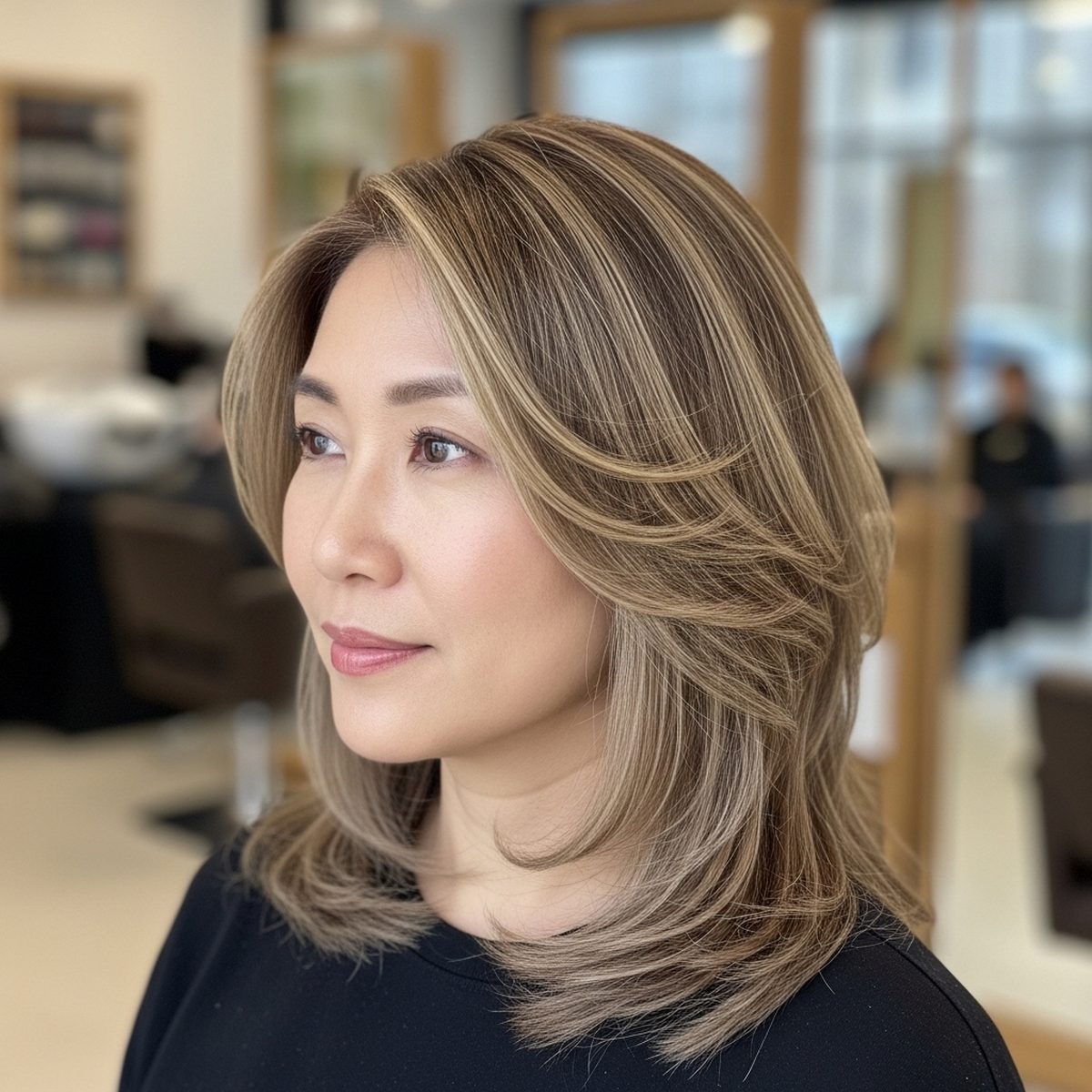
"I don't want it to look like I got my hair colored. I just want it to look like this is what it does in the sun."
I hear a version of that sentence constantly, usually from a woman who's had traditional highlights for years and is starting to feel like they read a little too obvious, a little too maintenance-heavy, a little too "done." She's not wrong to feel that way. As your hair and your style both mature, chunky contrast can start working against you instead of for you.
That's usually the moment I bring up babylights.
Babylights are one of the most requested techniques in my chair these days, and also one of the most misunderstood. Clients ask for them without always knowing how they're different from regular highlights, or whether they're even the right fit for their hair and their lifestyle. After more than 30 years doing color, I can tell you the difference matters more than people expect, and picking the wrong one is an easy way to end up with a result you don't love.
What Babylights Actually Are
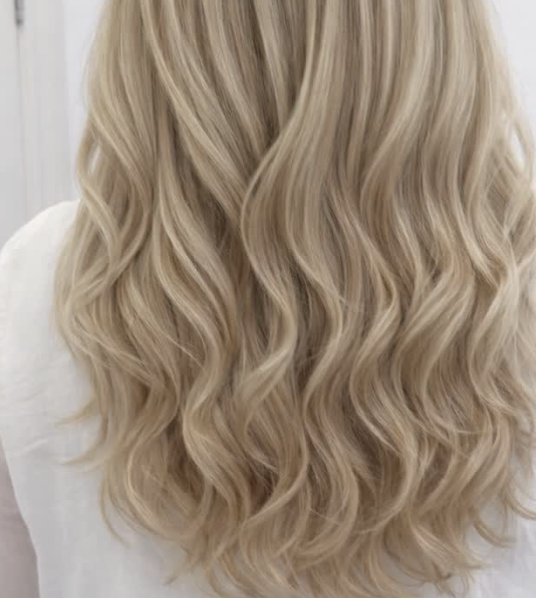
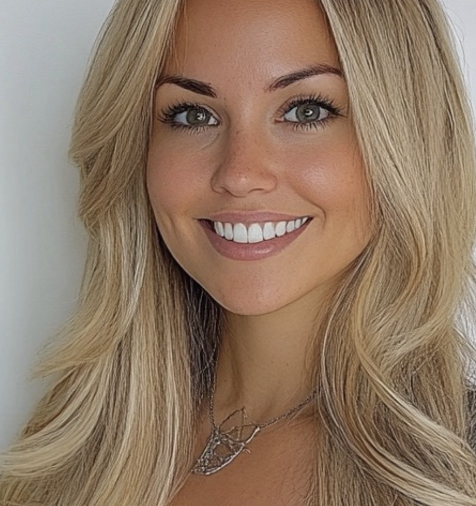
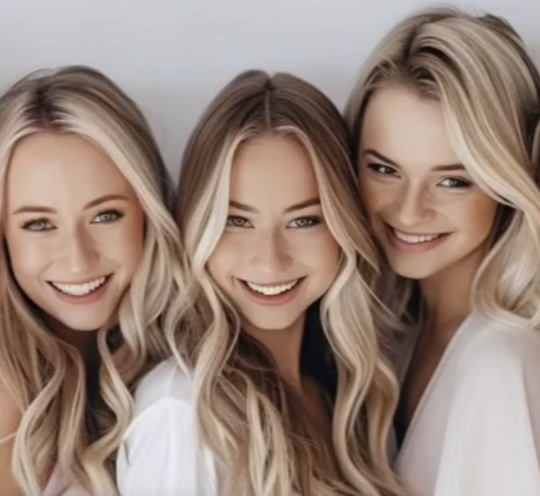
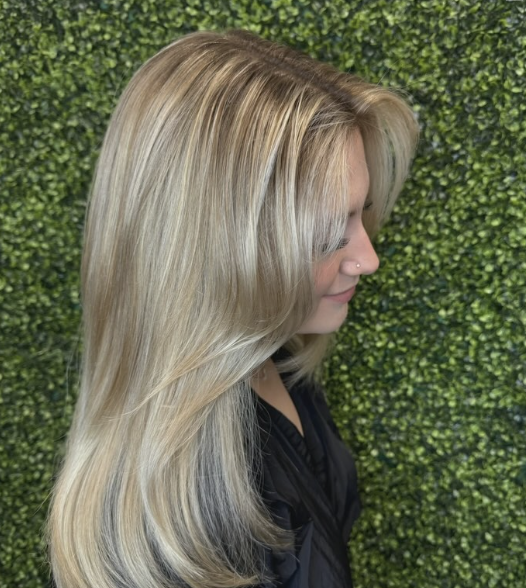
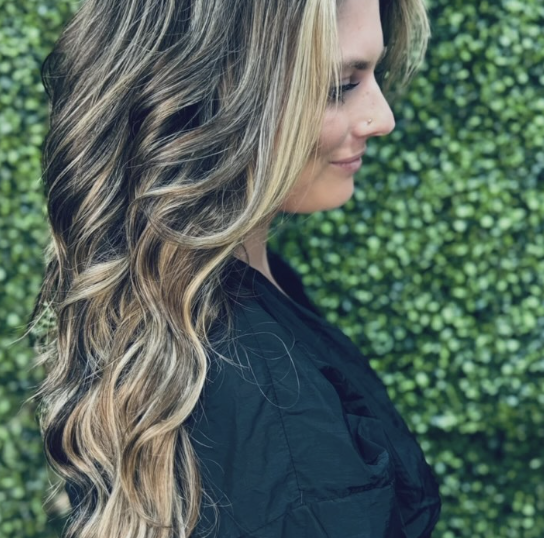
Babylights are ultra-fine, closely woven highlights that mimic the way a child's hair naturally lightens in the sun, soft, subtle, and spread throughout the hair rather than concentrated in noticeable sections. The name comes from that childhood sun-kissed look, and the technique is built to recreate it on adult hair with precision instead of chance.
The foils are smaller and placed much closer together than traditional highlights, and the color saturation is lighter too. The goal isn't brightness for its own sake. It's dimension that looks like it grew there.
How Babylights Differ From Traditional Highlights
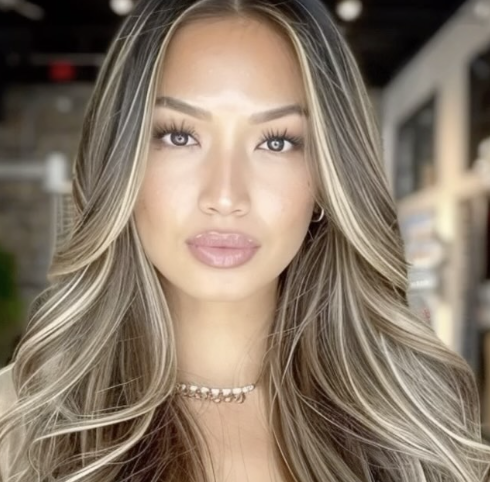
Traditional highlights use larger sections and bolder color lift, which creates more visible contrast between your natural color and the lightened pieces. That contrast can look fantastic, especially on shorter hair or for someone who wants a noticeable change. But it also grows out more visibly, and it can read as more "colored" the closer you look.
Babylights trade that boldness for blend. Because the sections are finer and woven more densely, the result reads as a soft gradient rather than distinct stripes of light and dark. That has two effects clients love once they understand them.
Babylights grow out softer. Since the color is finer and more evenly distributed, the regrowth line is far less obvious. You can often stretch your appointments longer without anyone noticing your roots.
Babylights look more natural. Because they mimic how hair actually lightens in sunlight, they tend to flatter women who want to look like themselves, just brighter and more dimensional, rather than like they've had an obvious color service.
My 3-Step Process for a Natural Babylight Result
Step 1: A consultation that actually looks at your base color. Babylights work best when the technique is tailored to your natural color and the amount of dimension you're starting with. I look at your current color, your hair's condition, and how much lift it can safely take before we ever pick up a foil.
Step 2: Fine, strategic foil placement. This is where babylights take real skill and patience. I weave small, precise sections throughout the hair, concentrating more around the face and crown where light naturally hits, so the brightness looks like it's coming from your hair, not from a color chart.
Step 3: A toner that seals the natural finish. The right gloss or toner afterward is what keeps babylights from reading brassy or overly yellow. This step is what makes the difference between highlights that look expensive and ones that look flat.
Who Babylights Flatter Most
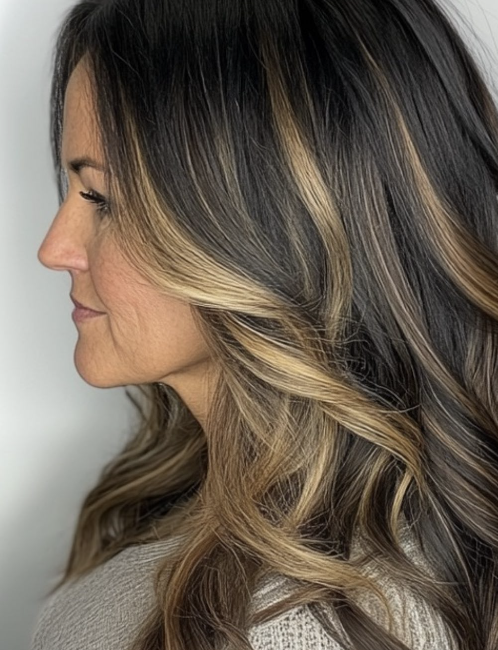
I see babylights work especially well for women in their 40s, 50s, and 60s, and there's a real reason for that beyond just personal taste. As hair thins slightly with age, dense, chunky highlights can actually emphasize sparse areas by creating hard lines of contrast against your scalp. Babylights do the opposite. Because the sections are fine and closely woven, they create the illusion of fuller, more textured hair rather than drawing attention to any thinning.
Babylights also tend to suit women who are navigating the early stages of grey blending, since the finer sections integrate naturally with silver strands coming in around the face and part line instead of fighting them. If you're not ready for a full grey transition but you want your color to work with what your hair is already doing, babylights are often the gentlest way to get there.
They're also a strong fit if your lifestyle doesn't leave room for frequent salon visits. Between carpool, work, and everything else on your calendar, stretching four months between color appointments instead of six weeks is a real relief, and babylights are built for exactly that kind of low-maintenance upkeep.
What Happens If You Choose the Wrong Technique
If you go into a babylight service expecting the dramatic contrast of traditional highlights, you may walk out feeling like nothing happened, because that's not what babylights are built to deliver. On the flip side, if you ask for traditional highlights hoping for a soft, barely-there result, you can end up with more brightness and more upkeep than you actually wanted.
Neither outcome is a bad technique. It's a mismatch between the request and the result, and it's one of the most common color miscommunications I see. That's exactly why the consultation step matters so much before any foil goes in.
What Success Looks Like
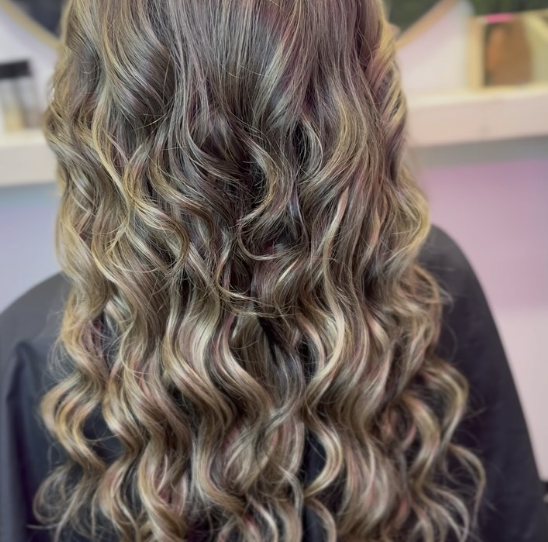
When babylights are done well, you get dimension that photographs beautifully, catches the light when you move, and never looks like it's fighting your natural color. Clients tell me it's the compliment that means the most, "did you do something? You look so refreshed," rather than "oh, you got your hair colored." That's the whole point. It should look like you, just brighter.
If you're already considering a bigger dimensional shift and want to see how babylights stack up against a hand-painted approach, I compare the two in balayage vs. highlights. And if subtlety with maximum natural blend is your goal, my balayage services use a similar hand-placed philosophy to babylights, just with a different application method.
Ready to See the Difference on You?
Babylights aren't about more color, they're about smarter placement. If you've been feeling like your highlights look too obvious or grow out too fast, this might be the shift you've been looking for.
Explore my highlights services to see the full range of dimensional color I offer, and book your consultation today so we can talk through whether babylights are the right fit for your hair and your life.
Moxi Hair Studio is located at 6700 Alma Rd, Suite 101, in McKinney, TX. I serve clients from McKinney, Allen, Frisco, Plano, Prosper, and throughout Collin County. Book your consultation today.
Follow: @moxihairstudiodfw