
Lowlights Explained: When Adding Darker Pieces Is the Right Call
September 28, 2026 • Color
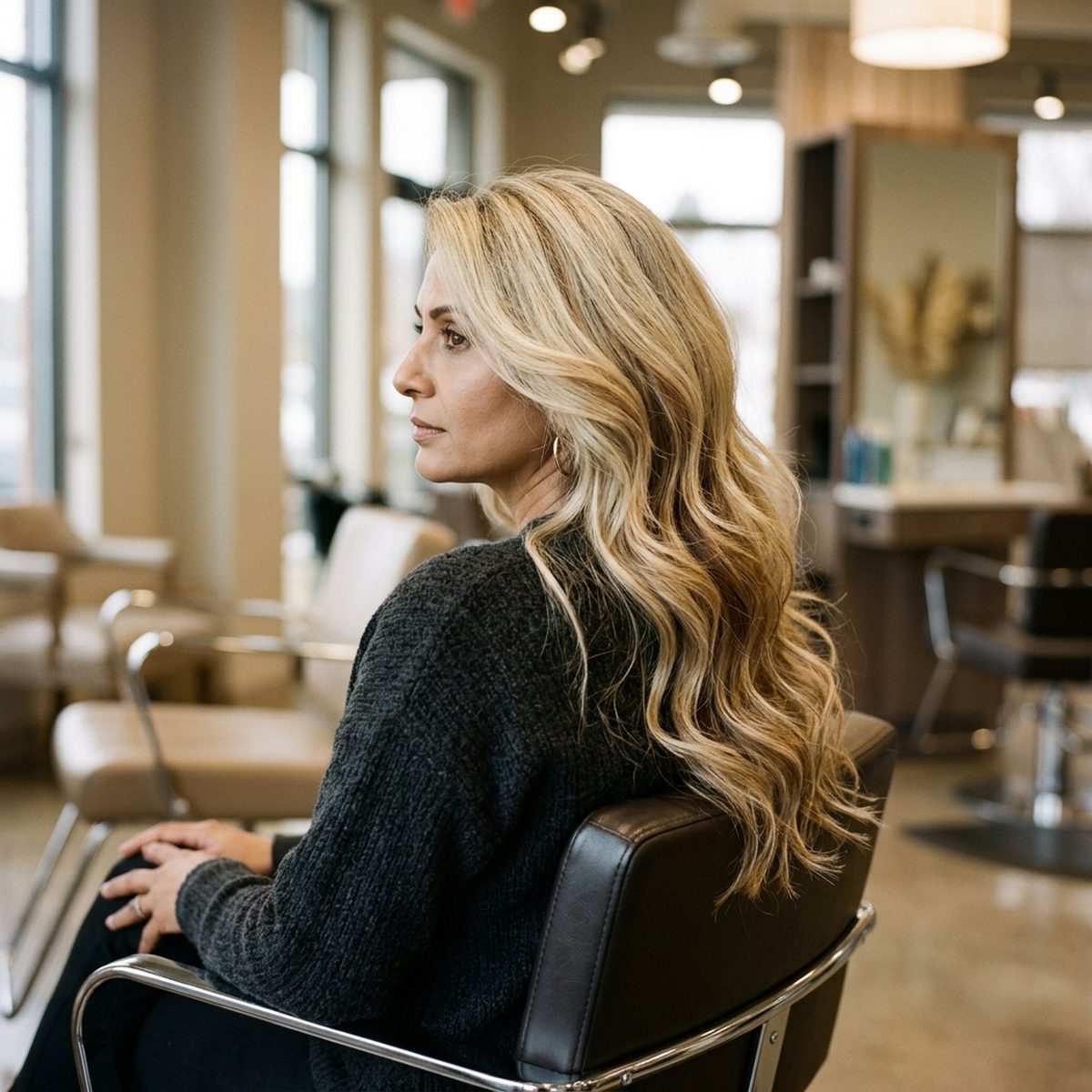
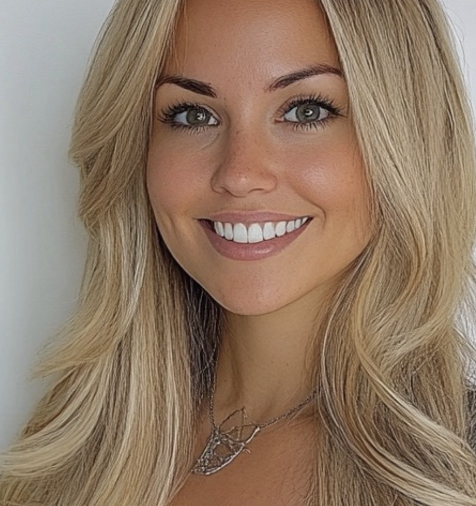
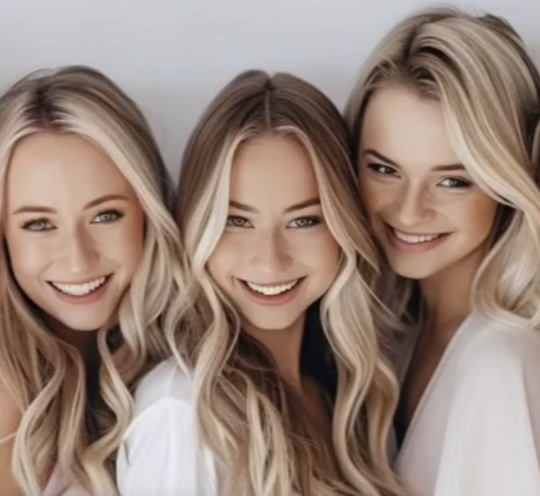
You've been blonde for a while now, and something has shifted. Your color feels flat instead of dimensional. It's gone a little brassy no matter how much purple shampoo you use. Or you're just tired of sitting in the chair every six weeks because any regrowth reads as a hard line against all that light hair. Your instinct might be to ask for more highlights. But more often than not, what your hair actually needs is the opposite: lowlights.
I know that sounds counterintuitive. Why would you go darker when you worked so hard to get light? But after 30+ years behind the chair, lowlights are one of the most underused tools for fixing exactly the problems I just described, and I want to walk you through when they're the right call.
What Lowlights Actually Do
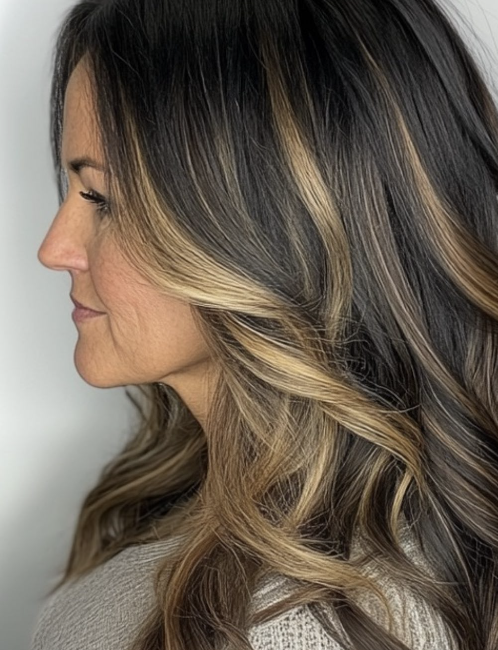
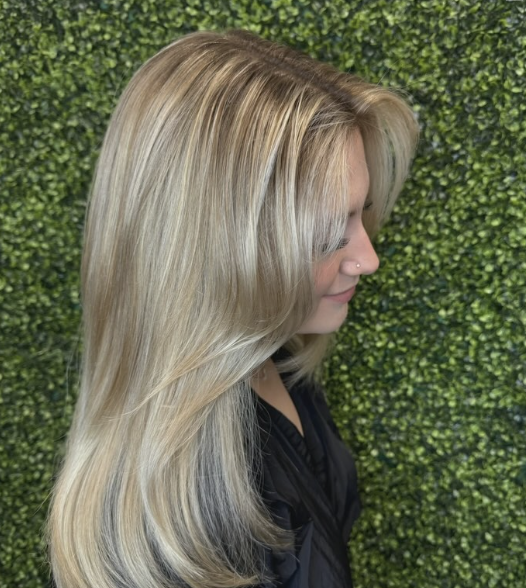
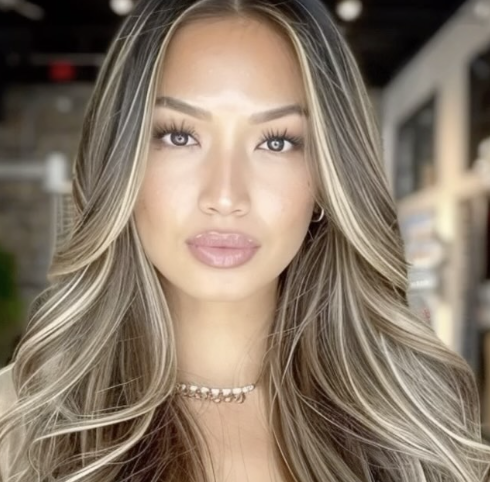
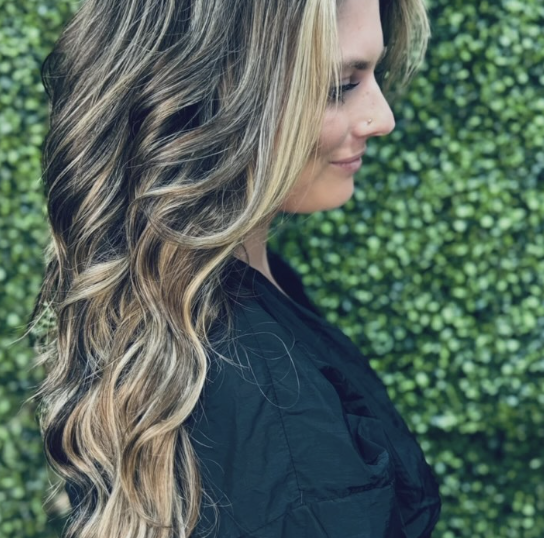
Lowlights are strands of hair colored darker than your base blonde, woven in using the same foiling or hand-painting techniques we use for highlights. Instead of adding light, we're adding shadow. That shadow does something highlights alone can't: it creates depth.
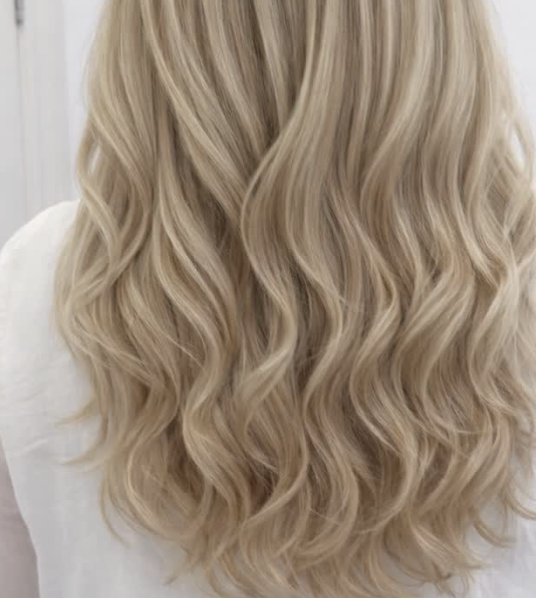
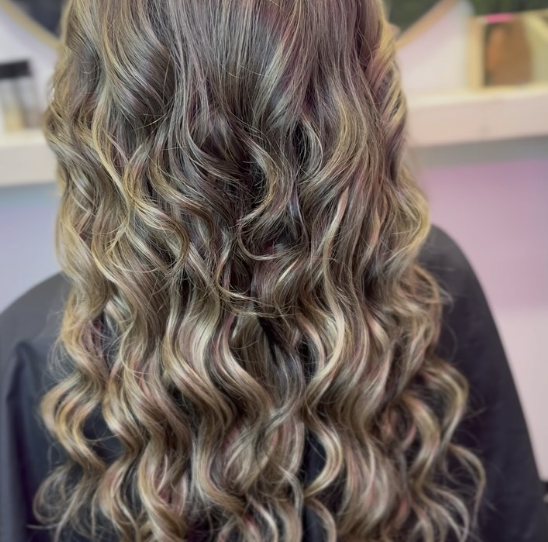
Think about hair that's all one level of blonde, even if it's a beautiful level. It can start to look flat under regular indoor lighting, almost like a wig. Lowlights break that up. They mimic the way natural hair actually grows, with some pieces catching more sun and some sitting in shadow underneath. The result reads as more textured, more dimensional, and honestly, more expensive-looking, even though it can mean less time in the chair overall.
Signs Lowlights Might Be Right for You
A few situations where I bring lowlights into the conversation with a client:
Your blonde has gone brassy or gold and you're chasing it with toner. Sometimes the fix isn't a cooler toner. It's breaking up the solid blonde with a few strategic darker pieces so the brassiness has less surface area to show up on.
Your regrowth line feels harsh. If you're getting a hard demarcation between your natural color and your lightened ends every few weeks, lowlights soften that transition. This is the same logic behind reverse balayage, just applied more subtly.
Your blonde feels flat or one-dimensional. If you look at old photos and your hair used to have more depth, lowlights are usually how we get that back without redoing your entire color.
You want to stretch your color appointments. Because lowlights blend with your natural base rather than fighting against it, a lot of clients find they can go longer between visits once we've added dimension this way.
Lowlights vs. Highlights vs. Balayage: What's the Difference
These terms get thrown around interchangeably, but they solve different problems.
Highlights add lighter pieces to your base color. They're what most people ask for when they want to go blonder or brighten things up.
Lowlights add darker pieces to your base color. They're what you ask for when your blonde needs shadow, contrast, or a softer grow-out.
Balayage is a hand-painted application technique, not a color direction. You can balayage in highlights, lowlights, or both together. A lot of what I do for blonde clients who want dimension is actually a combination, hand-painted lowlights woven between existing highlights, so the color builds gradually instead of looking striped.
The reason this distinction matters is that clients often ask for "more balayage" when what they mean is "more dimension." If your hair is already lightened and just feels flat, more balayage highlights can actually make the problem worse. Lowlights are usually the missing piece.
Who Should Be Cautious with Lowlights
Lowlights aren't the right move for everyone. If you're working toward going lighter overall, like transitioning from brunette to blonde, adding lowlights now works against that goal since it puts color back in that we'd eventually need to lift back out. Lowlights also require a colorist who can match the darker tone to your exact undertone. A lowlight that's too ashy or too warm compared to the rest of your hair will look like a mistake instead of a dimension, which is exactly why this isn't a service to try at home or rush through with a stylist who hasn't seen your hair's full color history.
The 3-Step Approach I Use for Blonde Lowlights
Step 1: A Real Consultation About Your Goals
Before any foil touches your hair, I want to know what's actually bothering you. Is it brassiness? Flatness? Maintenance? The answer changes where I place the darker pieces and how many I use. A client who wants low maintenance needs a different placement pattern than a client who just wants more dimension for a special event.
Step 2: Strategic Placement, Not a Blanket Approach
Lowlights aren't scattered randomly through the hair. I place them where natural shadow would fall, usually underneath the top layer and closer to the part, and I keep them lighter and more subtle near the face where brightness is usually flattering. This is where experience matters. Too many, too dark, or in the wrong spot, and you end up looking like you just went darker instead of adding dimension to your blonde.
Step 3: A Toning and Maintenance Plan That Actually Fits
Once the lowlights are in, we choose a toner that keeps both your blonde and your darker pieces looking intentional together, not competing with each other. I'll also walk you through a home care routine, since color-treated hair with two tones needs slightly different upkeep than a single-process blonde.
How Long Lowlights Take and What They Cost
A lowlight service added onto an existing blonde usually takes 2 to 3 hours in my chair, depending on how much dimension we're building and whether we're also refreshing your all-over toner at the same appointment. Because we're working with foils or hand-painting rather than a full head of new lightener, it's typically priced closer to a partial highlight service than a full color transformation. I'll always give you an exact quote at your consultation once I can see your hair in person, since density, length, and how much darker pigment we're adding all affect the time and product involved.
What Happens If You Skip This and Just Add More Highlights
I see it often. A client whose blonde feels flat books more highlights, thinking more light equals more dimension. Instead, the hair often ends up over-processed, drier, and somehow still looking flat, because there's nothing left to create contrast against. More light on top of light doesn't create depth. It just creates more light. Eventually that path leads to a compromised, damaged blonde that needs real color correction to bring back to health.
What Success Looks Like
Clients who add lowlights tend to describe the same thing afterward: their hair suddenly looks like it has more movement, even in the same haircut and same length. Photos taken in different lighting all look good, instead of the color reading differently depending on the room. And a lot of them tell me their appointments feel less urgent, since the softer regrowth line buys them real time.
Lowlights aren't about undoing your blonde. They're about making it look like the sun did it, not a bottle.
If your blonde has started to feel flat, brassy, or high-maintenance, let's talk about whether lowlights are the right move for your hair. Browse our highlights and lowlights services or, if your color needs a bigger reset first, learn more about what a blonde specialist actually does before you book. Ready to see what dimension looks like on you? Book a consultation at Moxi Hair Studio in McKinney, TX.
Follow: @moxihairstudiodfw