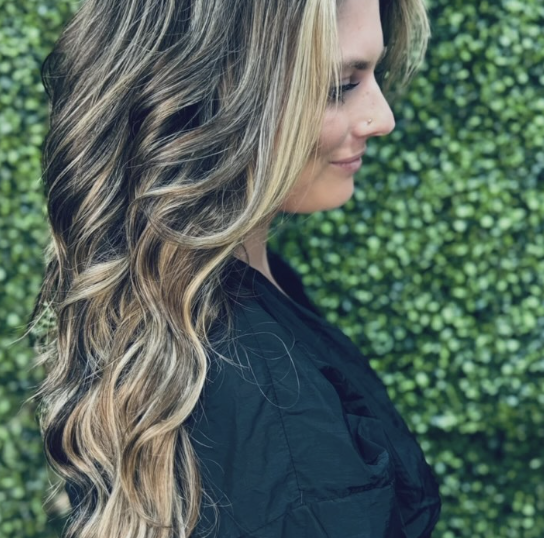

Layered Haircuts for Women Over 40: The Most Flattering Options
August 28, 2026 • Cut
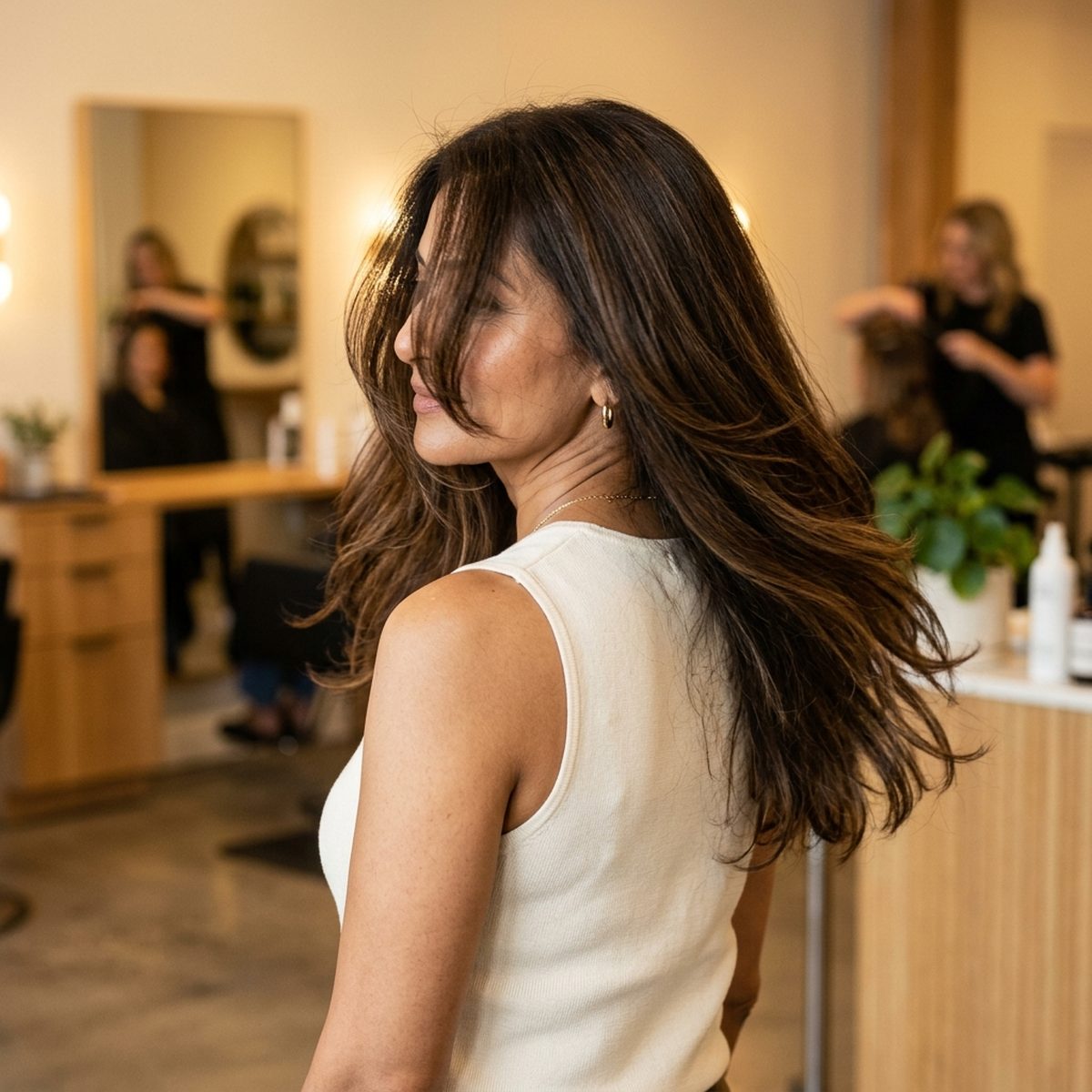
You bring in a photo. Long layers, soft movement, that effortless bounce you see on someone else's hair. And somehow, what you walk out with doesn't look anything like it.
If that's happened to you more than once, I want you to know it's not your hair. It's the layers. Not whether you got them, but where they were placed, how much was taken out, and whether the person cutting them actually thought about your texture, your density, and your face shape before picking up the shears.
After more than 30 years behind the chair, I can tell you that "layers" isn't one haircut. It's a category, and the difference between the right layers and the wrong ones is the difference between hair that moves beautifully and hair that just looks thin.
Why Layers Go Wrong So Often
Most bad layer experiences come from the same mistake: a stylist applying the same layering pattern to every head that walks in, regardless of what's actually going on with that particular head of hair.
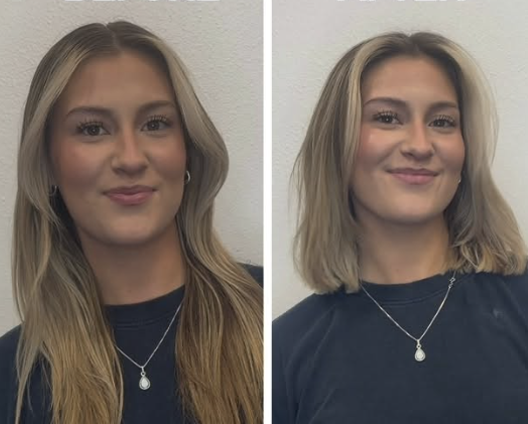
If you have fine hair, heavy layering can strip out the density you need at the ends, leaving you with wispy pieces that look thinner than before you sat down. If you have thick hair, layers that are too short or too choppy can create a triangle shape instead of the soft, rounded movement you were hoping for. And if your hair has changed since your 30s, which it usually has by your 40s and 50s, a cut that worked on your old texture might not work anymore.
The goal of a good layered cut isn't to remove hair. It's to redistribute weight so your hair moves the way you want it to. That's a completely different approach, and it's the one I use with every client who sits in my chair.
The Best Layered Haircuts for Women Over 40
These are the layering approaches I reach for most often, depending on what a client's hair is doing and what she wants it to do instead.
Long Layers With Movement
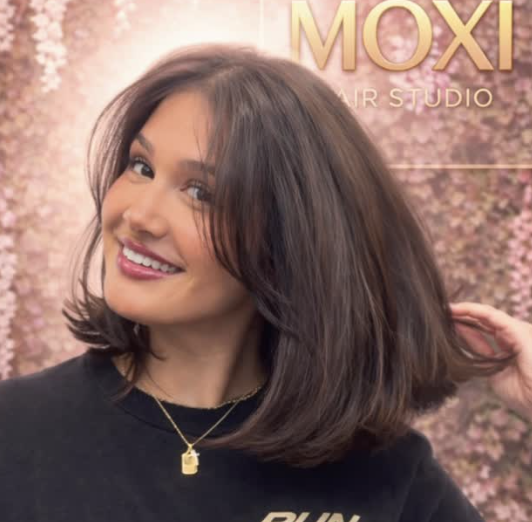
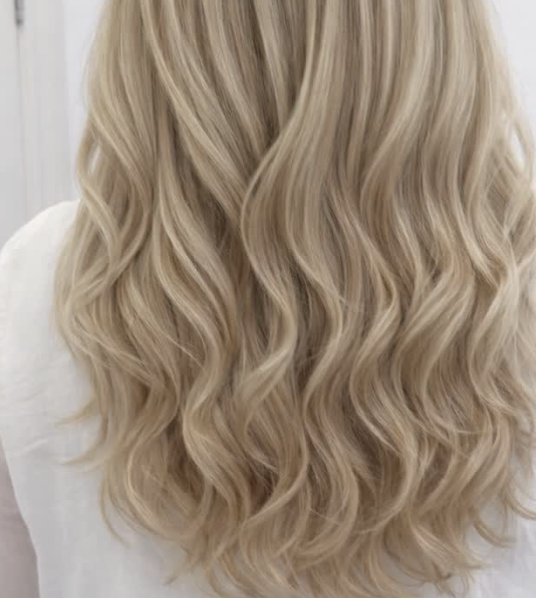
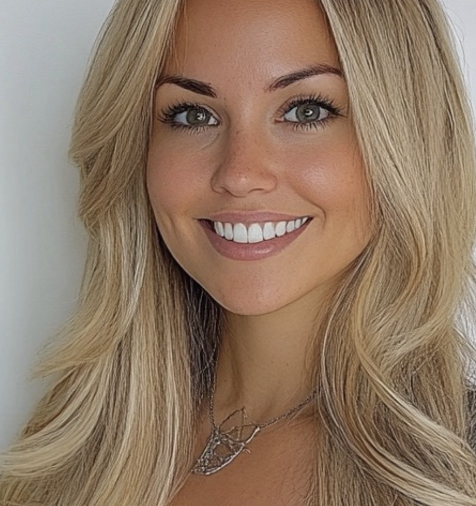
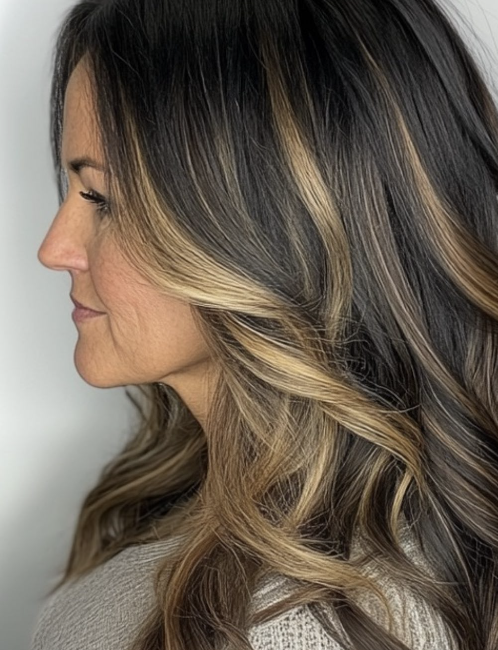
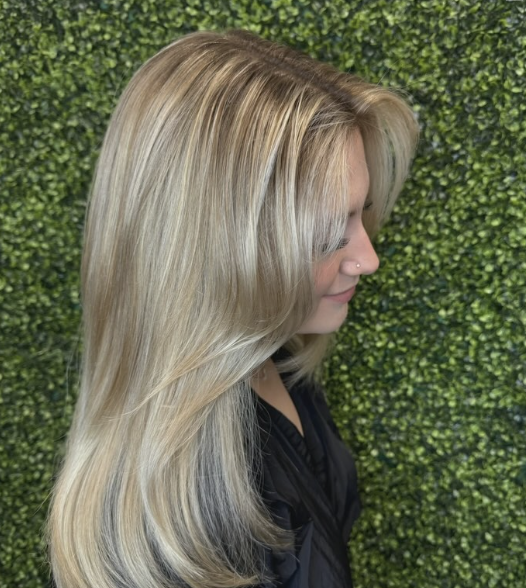
If you love your length and don't want to lose it, long layers are the answer. Instead of cutting straight across, I build in soft, longer layers throughout the mid-lengths and ends. This keeps the overall length intact while giving your hair the kind of movement that makes it swing when you turn your head instead of hanging flat.
This is one of the most requested haircuts I do, and for good reason. It works beautifully whether your hair is straight, wavy, or has some natural texture to it.
Face-Framing Layers
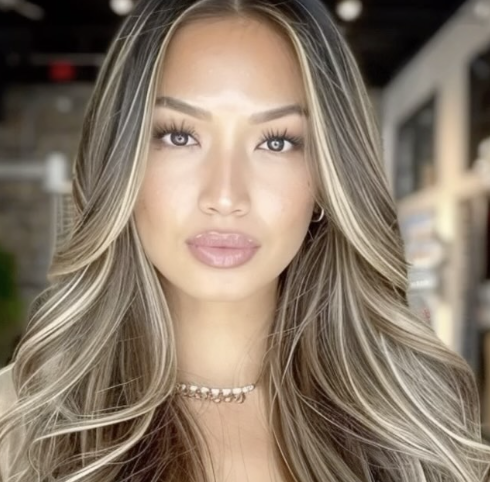
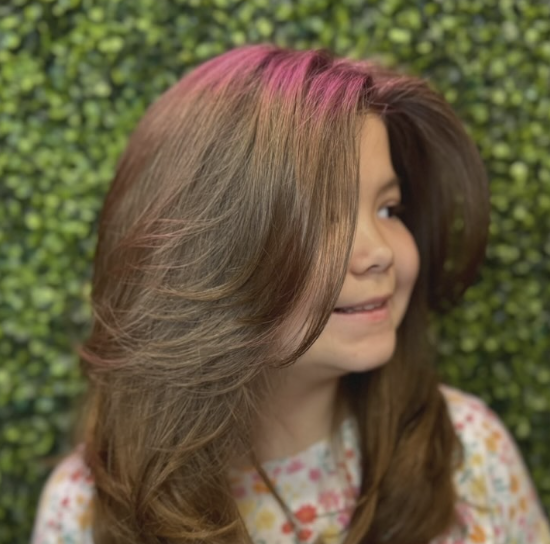
Rather than layering the whole head, I sometimes focus the shortest layers right around your face. This draws the eye up toward your cheekbones and eyes, softens your features, and creates instant dimension without committing to layers throughout the rest of your hair.
Face-framing layers pair beautifully with highlights or a money piece, because the lighter pieces catch the movement created by the layers and make the whole effect even more noticeable.
Internal Layers (Invisible Layers)
This is my go-to for clients who want movement but are nervous about losing length or bulk at the ends. Internal layers are cut underneath the surface of your hair, so from the outside it still looks like one solid length. Underneath, though, those hidden layers create lift, texture, and bounce that a completely blunt cut just can't give you.
If you've ever said "I want layers but I don't want it to look layered," this is what you're actually asking for.
The 3-Step Plan for Getting It Right
I've watched too many women give up on layers entirely because of one bad experience. Here's the process I use to make sure that doesn't happen to you.
Step 1: A Real Consultation
Before I ever pick up scissors, we talk. I want to know what you loved and hated about past cuts, what your hair does on a normal day versus a great day, and what your daily routine actually looks like. Layers that require twenty minutes with a round brush aren't the right answer for a woman who's out the door in ten.
Step 2: A Cut Designed for Your Texture and Density
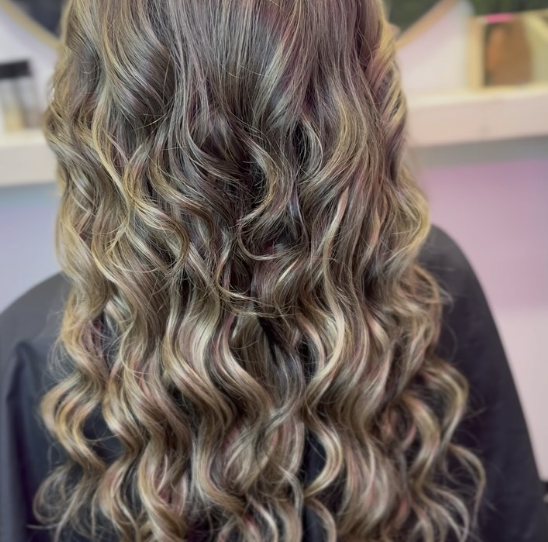
Your hair type determines everything about how I approach layering. Fine hair gets longer, more subtle layers so we don't sacrifice density. Thick hair can handle more aggressive layering to remove bulk and add shape. Wavy or curly hair gets layers cut dry, so I can see exactly how each piece falls before I commit.
Step 3: Styling You Can Actually Recreate at Home
A great cut should look good on day one and still look good on day five, styled by you, in your own bathroom. Before you leave my studio, we talk through exactly how to style your new layers so the look you see in the mirror at Moxi is one you can recreate at home.
Common Layering Mistakes I See Most Often
Over the years, I've had a lot of women sit in my chair and describe what went wrong with their last layered cut. A few patterns come up again and again, and if any of these sound familiar, it's worth knowing they're fixable.
Too much layering too close to the crown. When short layers start right at the top of your head, they tend to spring up and out instead of laying down smoothly. That's what creates the "poof" a lot of women complain about. I build the shortest layers lower, closer to the cheekbone, so they add lift without losing control.
Layers cut on wet hair without checking how they fall dry. Hair behaves differently wet than dry, especially if you have any wave or texture. A layer that looks even and balanced on wet hair can shift completely once it dries and the natural bend of your hair takes over. I always check texture and movement on dry hair before I call a cut finished.
One layering pattern applied to every hair type. This is the biggest one. A layering approach that looks stunning on someone with thick, straight hair can completely fall apart on fine or wavy hair, and the reverse is true too. Your cut should be designed around what your hair actually does, not copied from a photo of someone else's hair.
Not accounting for how your hair has changed. Hair density, texture, and even the way it grows can shift in your 40s and 50s. A layering pattern that worked beautifully for you a decade ago might not be doing your hair any favors now. Part of every consultation I do is asking what's changed since your last cut you loved, not just what you want to look like today.
What Happens When You Skip the Layers That Are Right for You
If you keep getting the wrong layers, or avoid layers altogether because of a bad experience, you end up stuck. Either your hair feels heavy and flat with no movement, or it feels thin and wispy from layers that took out too much. Neither one gives you the effortless, put-together look you're actually after.
You don't have to choose between length and movement, or between low-maintenance and beautiful. The right layered cut gives you both.
The Confidence a Great Layered Cut Gives You
I love this part of my job. Watching a client run her fingers through her hair for the first time after a cut that finally moves the way she pictured it, that's the moment that never gets old for me. Hair that swings when you walk, that catches color and dimension beautifully, that you can style in minutes and feel proud of all day. That's what the right layers do.
If you're ready for hair that finally looks the way you've been picturing it, I'd love to talk it through with you. For more on getting your color to work with your cut, take a look at my post on the best hair color choices for women over 50.
Let's Find Your Layers
Book a complimentary consultation at Moxi Hair Studio in McKinney, TX. We'll talk through your hair, your routine, and your goals, and I'll design a layered cut built specifically for you, not a generic pattern pulled from a magazine.
Moxi Hair Studio is located at 6700 Alma Rd, Suite 101, in McKinney, TX. I serve clients from McKinney, Allen, Frisco, Plano, Prosper, and throughout Collin County. Book your consultation today.
Follow: @moxihairstudiodfw