
How Often Should You Really Get a Haircut? The Honest Answer by Hair Type
September 18, 2026 • Hair Tips
You've probably asked yourself this question standing in front of the mirror. Is it time for a haircut, or am I just bored with my hair? Did I wait too long and lose the shape, or am I coming in more often than I actually need to?
I get asked "how often should I really get a haircut" almost every week at Moxi Hair Studio, and I understand why it's confusing. Every article online gives you the same generic answer, six to eight weeks, and calls it done. But that answer isn't true for every head of hair, and it's definitely not true for yours specifically.
After more than 30 years behind the chair, here's what I can tell you with confidence: there isn't one right answer. There's a right answer for your hair. Let's figure out what that actually is.
The Honest Answer: It Depends on These Factors
Before I give you a schedule, I want you to understand why the schedule varies so much from person to person. A few things determine how often you actually need to be in my chair.
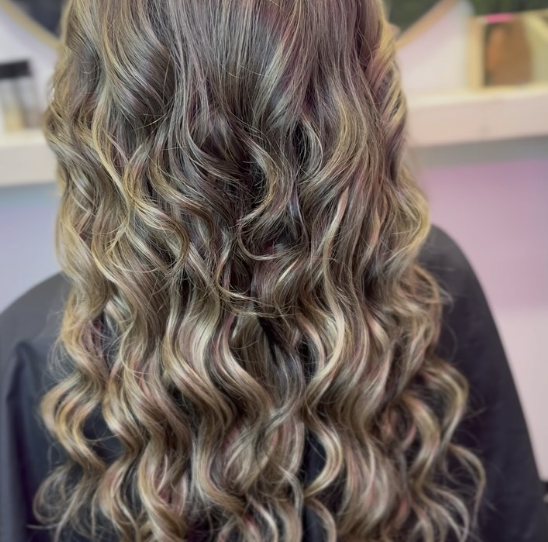
Your hair's texture. Straight, fine hair grows out of shape faster than wavy or curly hair. A precise, blunt cut on straight hair starts losing its line within a few weeks, while curl pattern naturally disguises regrowth and holds a shape longer.
Whether your hair is color-treated. Color and chemical services change the health of your ends, even when the shape of your cut still looks fine. Hair that's been lightened or processed needs more frequent trims to stay healthy, regardless of how the length is holding up.
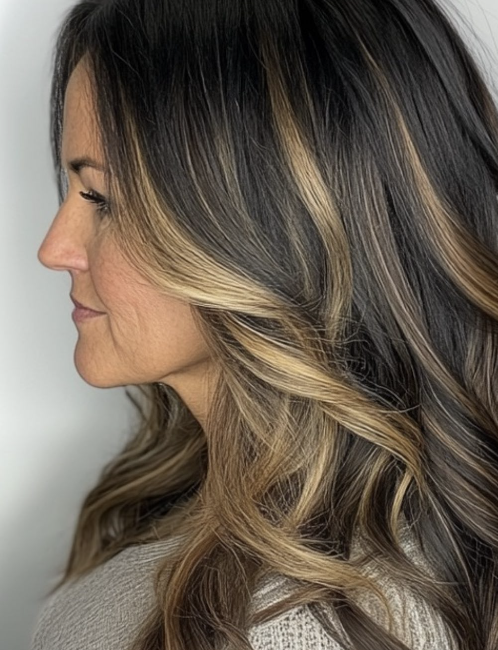
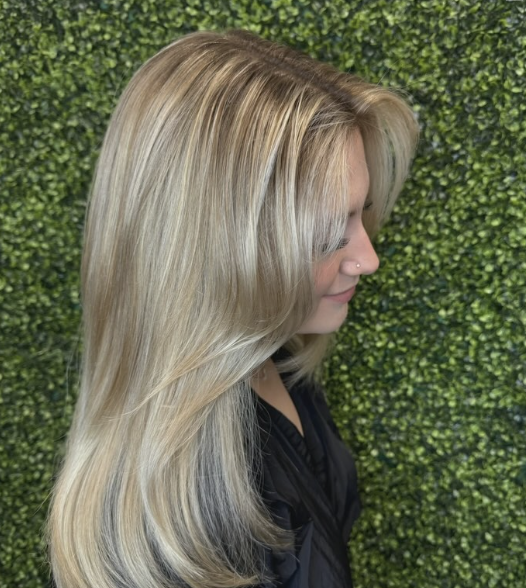
The style of your cut. A blunt bob with a crisp line needs upkeep far sooner than a soft, textured shag. Layered, tousled cuts are designed to grow out gracefully, which is part of why I recommend them so often for clients who want more time between appointments.
Your growth goals. If you're growing your hair out, you can stretch appointments longer and just trim the damaged ends. If you're maintaining a specific length or shape, you'll need to come in more consistently.
A Realistic Schedule by Hair Type
Here's how I actually break it down for my clients, based on what their hair is doing and what they want from it.
Fine, straight hair: Every 6 weeks. Fine, straight hair shows regrowth and loses shape the fastest of any hair type. If you wait past 8 weeks, you'll usually notice the ends looking stringy and the shape falling flat.
Wavy or curly hair: Every 10 to 14 weeks. Curl pattern hides regrowth beautifully, so you have more flexibility here. I still recommend a check-in around the 10-week mark so we can refresh the shape before it starts looking overgrown rather than intentional.
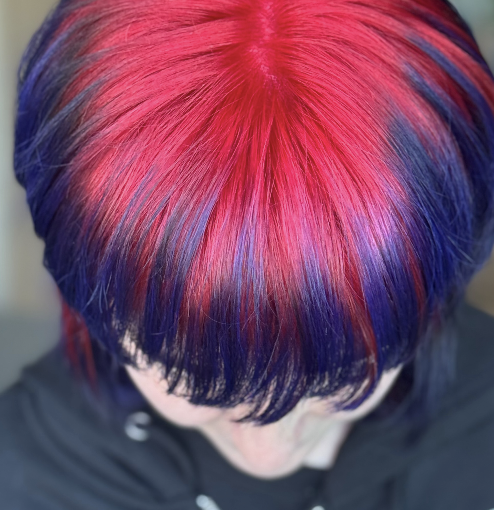
Color-treated or lightened hair: Every 8 weeks, no matter what the shape is doing. This one surprises people. Even if your cut still looks great, color-treated hair needs regular trims to remove the driest, most processed inches before they start breaking on their own. Skipping trims on color-treated hair is one of the fastest ways to end up with damage that takes months to grow out.
Short pixies and precision bobs: Every 4 to 6 weeks. The shorter and more precise the cut, the sooner it needs maintenance. A pixie that's a week overdue looks like a completely different haircut than the one you asked for.
Growing your hair out: Every 12 to 16 weeks, trimming only the damaged ends. If length is the goal, we're not chasing a shape, we're protecting the ends so they don't split and travel up the hair shaft.
Signs Your Hair Is Telling You It's Time (Even Off Schedule)
A calendar reminder is a helpful starting point, but your hair doesn't always follow a calendar. These are the signs I tell my clients to watch for between appointments, regardless of what the schedule says.
Your ends feel rough or look see-through when you hold them up to the light. That's a sign the ends are drying out and starting to split, even if the overall length still looks fine at a glance.
Your style takes noticeably longer to do than it used to. When a cut grows out, the layers stop falling where they're supposed to, and your styling routine has to work harder to compensate. If your morning routine suddenly feels like more effort, that's often your hair telling you the shape is gone.
You're pulling it back more than you're wearing it down. This is one of the clearest signals I see. When a client starts defaulting to a ponytail or a clip because her hair "isn't doing what it used to," it's almost always time to come in, whether or not she's technically hit her six or eight week mark.
You can see a visible line where your last cut ended and new growth begins. This shows up especially with color-treated hair, where the healthier, less processed regrowth looks and behaves differently than the ends.
If you notice any of these, don't wait for the "official" date on your calendar. Come in and let's take a look.
My 3-Step Process for Finding Your Actual Schedule
I never want a client guessing at this. Here's how we land on the right rhythm for your hair specifically.
Step 1: We Look at Your Hair Type and How It Grows
At your appointment, I look at your texture, your density, and how quickly your particular hair tends to grow. Everyone's hair behaves a little differently, and I've been doing this long enough to read those patterns quickly.
Step 2: We Factor in Your Color and Your Goals
If you're coming in for color services too, we talk about how that affects your cutting schedule. We also talk honestly about whether you're maintaining a length, growing it out, or trying to simplify your routine altogether.
Step 3: We Set a Realistic Reminder, Not a Guess
Instead of leaving you to figure it out on your own, I'll tell you exactly when to come back and why. That's a real recommendation based on your hair, not a generic rule pulled from a magazine.
What Happens When You Wait Too Long
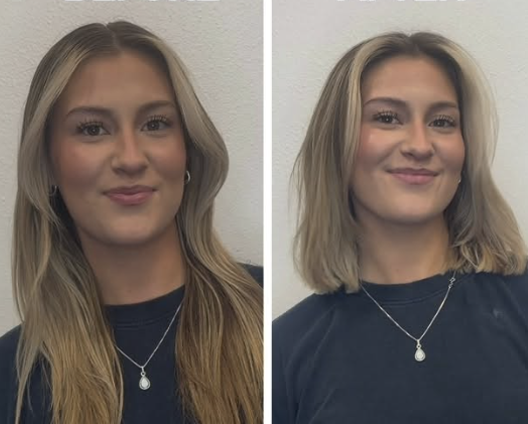
I see this a lot. A client pushes her appointment back another two weeks, then another, and by the time she sits in my chair, the damage has caught up with her. Split ends have traveled further up the strand than they should have. The shape that used to frame her face has grown out into something shapeless. What could have been a simple trim now means cutting off more length than she wanted, just to get back to healthy hair.
Waiting too long doesn't save you money. It usually costs you more, in length, in health, and in the time it takes to grow back to where you started.
What Happens When You Go Too Often
On the flip side, I've also had clients come in every four weeks out of habit, even when their hair didn't need it. For fine hair especially, over-trimming can remove length you were hoping to keep, and it's simply not necessary if your cut and texture don't call for it.
The goal isn't more appointments. It's the right appointments, spaced the way your specific hair actually needs.
The Result: Hair That Always Looks Intentional
When you're on the right schedule for your hair, you stop that back-and-forth of wondering if it's time. Your ends stay healthy. Your shape holds the way it's supposed to. And you walk around knowing your hair looks the way you meant it to, not a stage past it or a visit too soon.
If you've been simplifying your routine in other ways too, my guide to low-maintenance hair for busy moms pairs well with getting your cutting schedule right. And if density or thinning is part of what's driving your questions about timing, I've written about the best cuts and strategies for thinning hair as well.
Ready to Find Your Real Schedule?
Stop guessing at how often you need to be in the chair. Book a complimentary consultation for haircuts and styling at Moxi Hair Studio in McKinney, and I'll look at your texture, your color, and your goals so you leave with a schedule that's built around your actual hair, not a one-size-fits-all rule.
Moxi Hair Studio is located at 6700 Alma Rd, Suite 101, in McKinney, TX. I serve clients from McKinney, Allen, Frisco, Plano, Prosper, and throughout Collin County. Book your consultation today.
Follow: @moxihairstudiodfw