
How Hard Water Affects Your Hair Color in McKinney (And the Fix)
August 17, 2026 • Color
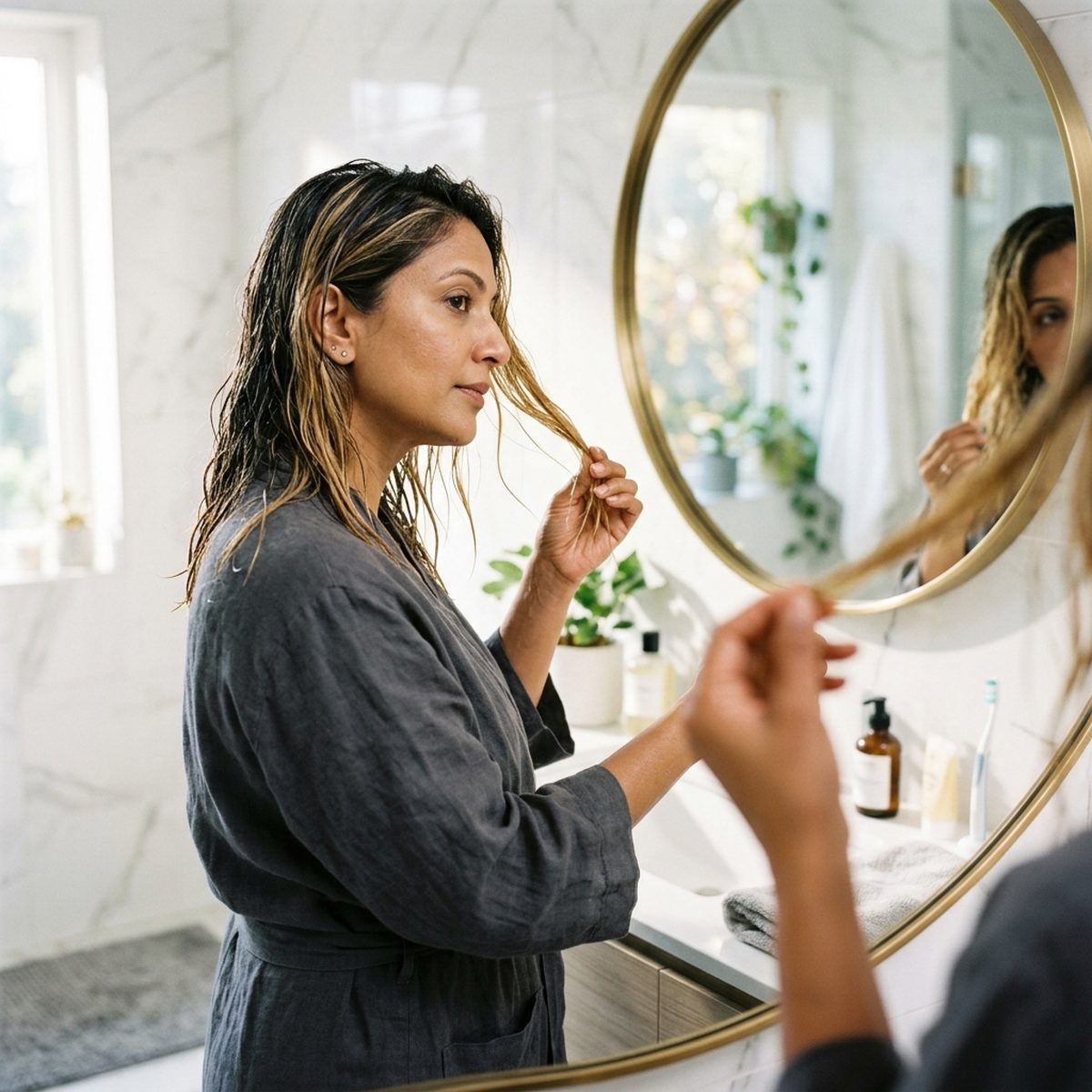
You leave the salon loving your color. Rich, dimensional, exactly what you asked for. A few weeks later it looks flat, a little dull, maybe even brassy in a way that has nothing to do with your natural fade cycle. If you've ever wondered why your color seems to lose its shine faster here than it did somewhere else you've lived, the answer might not be your shampoo or the sun. It might be coming straight out of your showerhead.
Hard water hair color problems are one of the most common things I see in my McKinney clients, and almost nobody thinks to ask about it. They blame the product, they blame their hair, they even blame me sometimes (I don't mind, I'd rather figure out the real cause). Once we identify hard water as the culprit, the fix is usually simpler than people expect.
Why McKinney and DFW Water Is Hard on Color
"Hard water" means water with a high concentration of dissolved minerals, mainly calcium and magnesium. McKinney and most of the greater DFW area draw from sources with mineral levels on the higher end, which is why so many of my clients deal with this without realizing it.
Here's what happens. Every time you shower, those minerals settle onto your hair shaft and build up over time, the same way they leave spots on your shower glass or a chalky ring in your coffee maker. That buildup does a few things to color-treated hair specifically:
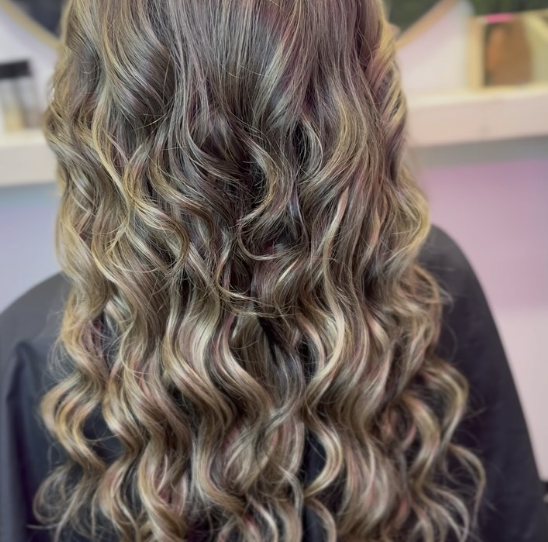
- It coats the hair shaft, creating a barrier that makes color look muted and lifeless even when the pigment underneath is still healthy
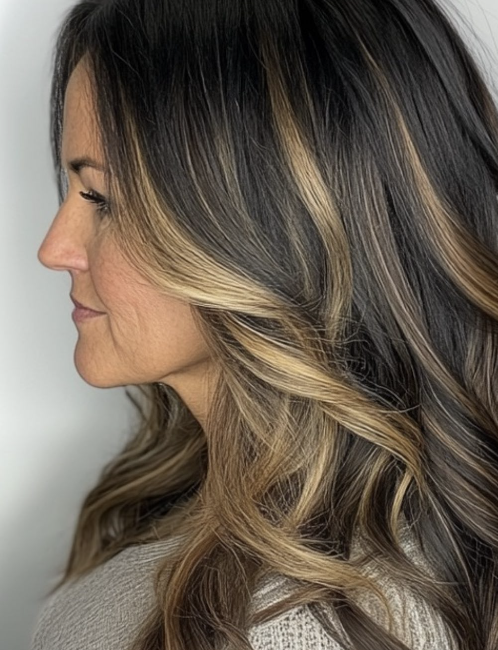
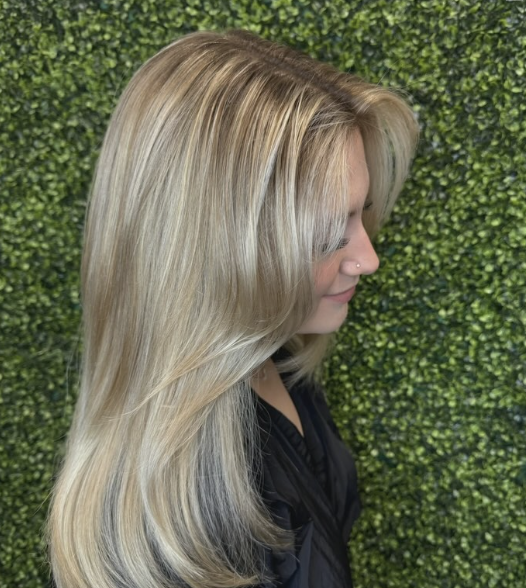
- It reacts with blonde and lightened tones especially, often pulling them toward brassy, yellow, or dingy shades faster than normal fading would explain
- It makes hair feel rougher and drier, which changes how light reflects off it and makes color look less vibrant
- It interferes with how new color processes, meaning your next appointment may not lift or deposit as evenly if there's buildup sitting on the hair when you sit in my chair
If you've ever noticed your color looking noticeably better right after a trip somewhere with softer water, or right after a clarifying treatment, that's not in your head. That's mineral buildup finally getting rinsed away.
The Internal Frustration This Causes
I hear a version of this conversation almost every week. A client tells me she's doing everything right. Good products, not over-washing, staying out of the sun, and her color still looks tired within a few weeks of leaving my chair. It's genuinely frustrating to feel like you're investing time, money, and care into your color and still not getting the lasting result you expected.
You shouldn't have to become a water chemistry expert just to keep your hair looking the way you want it to. That's not a reasonable ask for anyone juggling a family, a job, and everything else on your plate. The good news is that once you know hard water is the issue, there's a straightforward plan to work around it.
After 30 Years Behind the Chair, Here's What I've Learned Works
I've been coloring hair for more than 30 years, and a good chunk of that has been here in McKinney working with the exact water conditions my clients deal with every day. Hard water buildup used to be something colorists just didn't talk about much, but it explains a huge percentage of the "why does my color fade so fast" questions I get. Once you understand it, protecting your investment in your color gets a lot easier.
Your 3-Step Plan to Protect Color From Hard Water
Step 1: Filter What You Can
You don't need to replumb your whole house. A shower filter attachment (they run anywhere from $20 to $80) reduces the mineral content of the water actually hitting your hair. It's the single highest-impact change you can make, and it takes about ten minutes to install. Many of my clients keep one specifically for wash days.
Step 2: Use a Chelating Shampoo, But Not Every Day
A chelating shampoo is formulated to bind to mineral buildup and rinse it away, essentially giving your hair a clean slate. This is different from your everyday color-safe shampoo, and using it too often can be drying, so I recommend it once every one to two weeks depending on how hard your water is and how light your color is. Think of it as a reset button, not a daily habit.
Step 3: Book an In-Salon Clarifying Treatment Between Color Appointments
This is where I can help directly. A clarifying treatment in the salon goes deeper than an at-home chelating shampoo and is safe to pair with a toner or gloss refresh, which addresses the brassiness that mineral buildup tends to cause in blondes and highlighted hair. If your color has been looking dull or off-tone and it's not time for a full color appointment yet, this is often the fastest way to bring it back to life. It's something I regularly build into a color correction visit when buildup has been sitting for a while.
What Happens If You Don't Address It
If hard water buildup goes unaddressed, it tends to compound. Each color service gets applied over hair that already has mineral buildup sitting on it, which can make it harder to achieve even, predictable results over time. Blondes especially can end up chasing brassiness appointment after appointment without ever solving the actual cause. It's a frustrating cycle, and it's one I'd rather help you avoid than fix after the fact.
What Success Looks Like
Clients who get ahead of hard water buildup tell me the difference is noticeable within a few weeks. Color holds its tone longer, blondes stay cooler instead of drifting brassy, and the hair itself feels softer and shinier because that mineral coating isn't sitting on the surface anymore. It's a small change in routine that protects a real investment, both the money you spend on your hair color and the time it takes to get it right.
I've seen this make a bigger difference for my McKinney clients than almost any product swap, simply because it addresses the actual cause instead of masking the symptom. If you've been chasing dull or brassy color and can't figure out why, this is usually where I start looking. It pairs well with the habits I cover in my guide on how to make your hair color last longer, and if brassiness specifically is your main frustration, my post on fixing brassy blonde tones goes deeper into that side of it.
Let's Get Your Color Back to Where It Should Be
If your color has been fading fast, looking dull, or turning brassy no matter what you try at home, let's figure out whether hard water buildup is part of the story. Book a complimentary consultation and I'll take a look at your hair, talk through your water and wash routine, and put together a plan that actually protects the color you're paying for. No guesswork, just an honest look at what's really going on.
Moxi Hair Studio is located at 6700 Alma Rd, Suite 101, in McKinney, TX. I serve clients from McKinney, Allen, Frisco, Plano, Prosper, and throughout Collin County. Book your consultation today.
Follow: @moxihairstudiodfw