
Why Your Hair Feels Different After 40 (And What to Do About It)
July 31, 2026 • Education
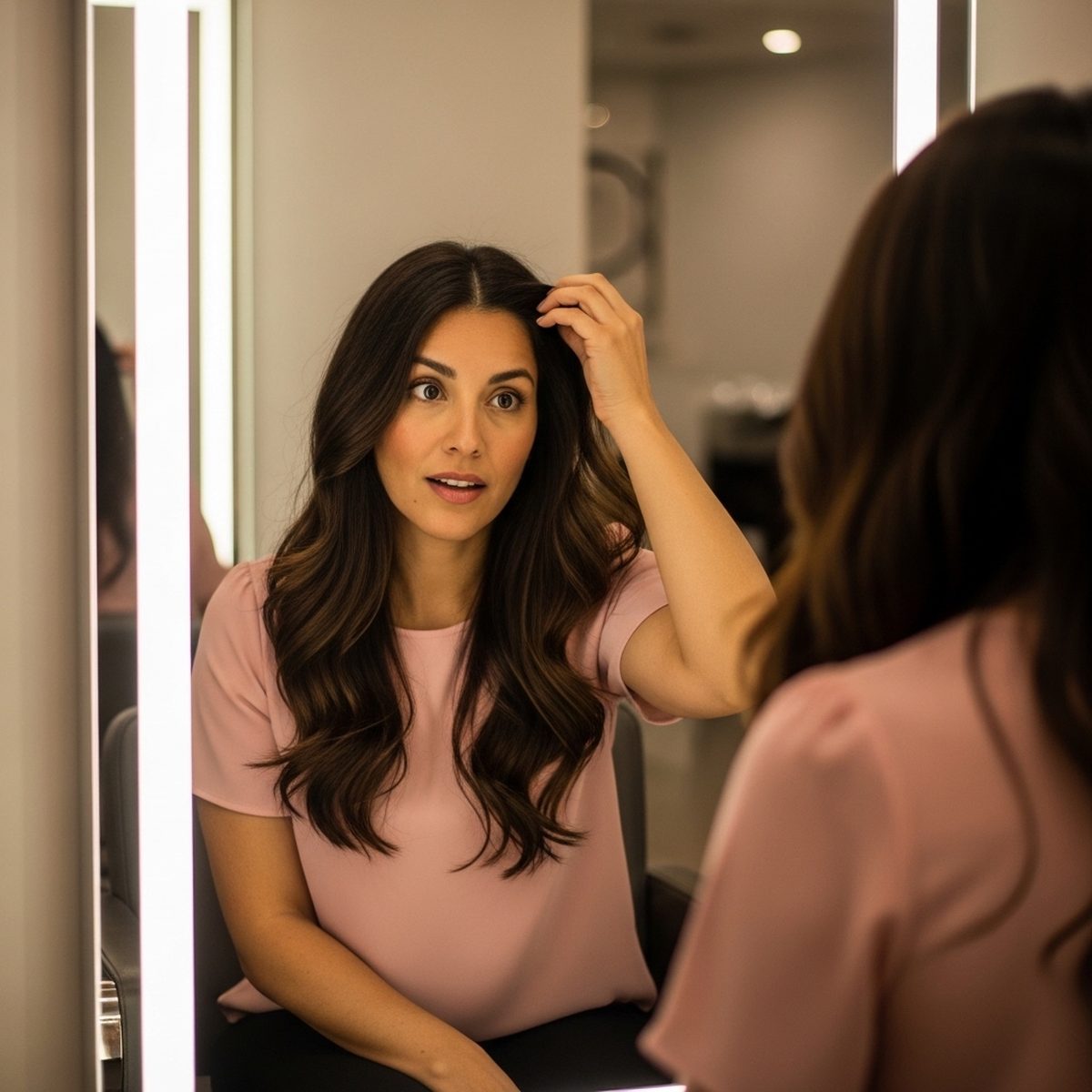
Something's different, and you can't quite put your finger on it. Your hair used to do what you told it to. Now it feels drier by lunchtime, your part looks a little wider than it used to, and the color that always looked rich now fades faster or looks duller by week three. You didn't change your routine. Your hair changed on you.
You're not imagining it, and you're not doing anything wrong. This is one of the most common conversations I have in the chair, and it deserves a real answer instead of a shrug.
After 30 years behind the chair, I've watched thousands of women move through this exact stage, and I can tell you what's actually happening under the surface, along with the plan that helps far more than any single product ever will.
What's Actually Happening to Your Hair in Your 40s
Your hair isn't just aging on the outside. It's responding to changes happening throughout your body, and once you understand them, the frustration makes a lot more sense.
Hormonal Shifts Change the Hair You Already Have
As estrogen and progesterone start to decline in your 40s, hair growth cycles shift too. Strands that used to grow in thick and full often come in finer, and the hair you already have can lose some of its natural moisture and elasticity. That's why hair that once air-dried into soft waves might now frizz or fall flat by afternoon.
Density Loss Is Normal, and It's Not the Same as Baldness
Almost every woman in her 40s and 50s notices some density loss, whether that's a part that looks wider or a ponytail that feels thinner in her hand. This is a normal, gradual shift in how many hairs are actively growing at once. It's not the same as significant hair loss, but it does mean your hair needs a different cut and styling approach to look full again.
Texture Genuinely Changes
Curl patterns loosen. Straight hair can develop a new wave. Hair that was easy to manage for twenty years can suddenly feel coarse in some places and limp in others. This isn't your imagination or bad luck. Hair follicles change shape over time, and the texture that comes out the other end changes right along with them.
Color Doesn't Hold the Way It Used To
If you color your hair, you may have noticed your color fading faster or looking flatter than it used to. Thinner, drier strands hold color differently than thicker, more moisturized hair did in your 30s. It's not that your colorist changed anything. Your hair's ability to hold onto pigment changed.
The Plan I Walk Clients Through
None of this means you're stuck with hair that feels like it's working against you. Here's the three-step approach I use with clients navigating this exact stage.
Step 1: A Real Consultation, Not a Guess
Before we do anything, I want to actually look at what's changed. Is it dryness, density, texture, or color fade, or some combination of all four? Most women are dealing with two or three of these at once, and the right plan depends on knowing which ones matter most for you specifically.
Step 2: Match the Treatment to the Actual Problem
If dryness and texture are the main issue, a smoothing treatment can restore manageability without erasing your natural movement entirely. I use options that add moisture and control frizz while still letting your hair look like your hair, not a different person's. If density is the bigger concern, we talk through cut and, when it makes sense, whether extensions could add back some fullness through the mid-lengths and ends rather than just length.
Step 3: Adjust the Cut and Color Strategy Together
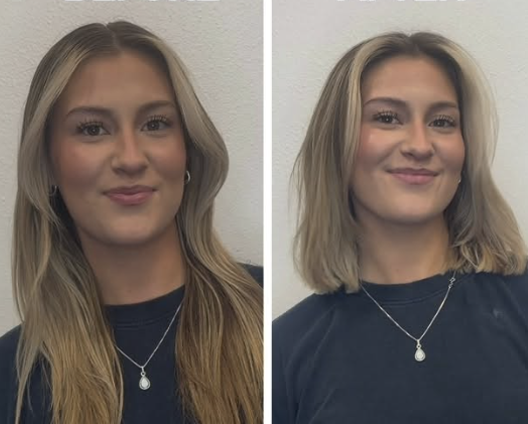
A cut that flattered you at 32 might be fighting you at 45 if your density and texture have shifted. Softer layers, different weight distribution, and color placement that adds the illusion of thickness can make an enormous difference. I've written before about the best haircuts for thinning hair if you want to go deeper on the cut side of this, since the right shape does a lot of the heavy lifting here.
What Happens If You Ignore It
I understand the instinct to just push through with the same routine you've always used. But hair that isn't getting what it actually needs tends to get harder to manage over time, not easier. Dryness compounds. Breakage increases. Color that fades unevenly starts to look dull instead of rich. And a cut that isn't built for your current density will keep feeling thin no matter how much product you throw at it.
You deserve hair that works with where you are now, not hair that's still waiting to catch up to a decade-old routine.
What Success Actually Looks Like
Clients who make these adjustments tell me the same thing every time. Their hair feels lighter and more cooperative day to day. Their color looks richer for longer. Their cut moves the way they want it to instead of just lying there. And maybe most importantly, they stop feeling like their hair is working against them every morning. That confidence shows up in more than just your hair. It shows up in how you carry yourself.
If you're also noticing grey coming in alongside these other changes, that's its own conversation worth having too. I wrote a full guide on natural-looking grey coverage for women over 40 that pairs well with everything above, since color and texture changes so often show up together at this stage.
Questions I Hear Most About Hair Changes After 40
Is dry hair after 40 permanent, or can it be fixed? It's not permanent, but it usually can't be solved with a new shampoo alone. Drier hair after 40 is often tied to changes in your scalp's oil production and your hair's ability to hold onto moisture, so it responds best to a combination of professional treatment and a home routine built for where your hair actually is now, not where it used to be.
Why does my hair feel thinner even though I haven't lost that much? This is one of the most common things I hear, and it's usually density loss rather than true hair loss. Individual strands getting finer, combined with a slightly wider part, can make hair feel and look thinner even when the total number of hairs hasn't dropped dramatically. The right cut can visually restore a huge amount of that fullness.
Can a haircut really make that much of a difference? Yes, more than most people expect. A cut built around your current texture and density does what no product can. It changes how your hair falls, how much weight sits at the ends, and how much movement you get without effort. I see clients transform their entire daily routine just by changing the shape, not the color or the length dramatically.
Should I switch products, or is that a waste of money? Product matters, but only after the bigger issues are addressed. Switching shampoos while ignoring a cut that's fighting your density, or skipping a treatment that would actually restore moisture, means you're treating a symptom instead of the cause. Get the plan right first, then we can talk about what maintains it.
How often should I revisit this as I get further into my 40s and 50s? Hair keeps evolving through this whole stage of life, not just once. I recommend a real check-in with your stylist at least once or twice a year specifically about texture and density, even between color appointments, so your cut and care routine keep pace with what's actually happening instead of catching up years later.
Let's Figure Out Your Plan Together
Your hair isn't broken, and you're not doing anything wrong. It's simply changing, the same way it has at every other stage of your life, and it deserves a plan that meets it where it is right now.
Ready to figure out exactly what your hair needs? Book a complimentary consultation at Moxi Hair Studio in McKinney, and let's build a plan around the hair you actually have today.
Moxi Hair Studio is located at 6700 Alma Rd, Suite 101, in McKinney, TX. I serve clients from McKinney, Allen, Frisco, Plano, Prosper, and throughout Collin County. Book your consultation today.
Follow: @moxihairstudiodfw