
From Brunette to Blonde: What Really Happens (And What to Expect)
September 2, 2026 • Color Correction
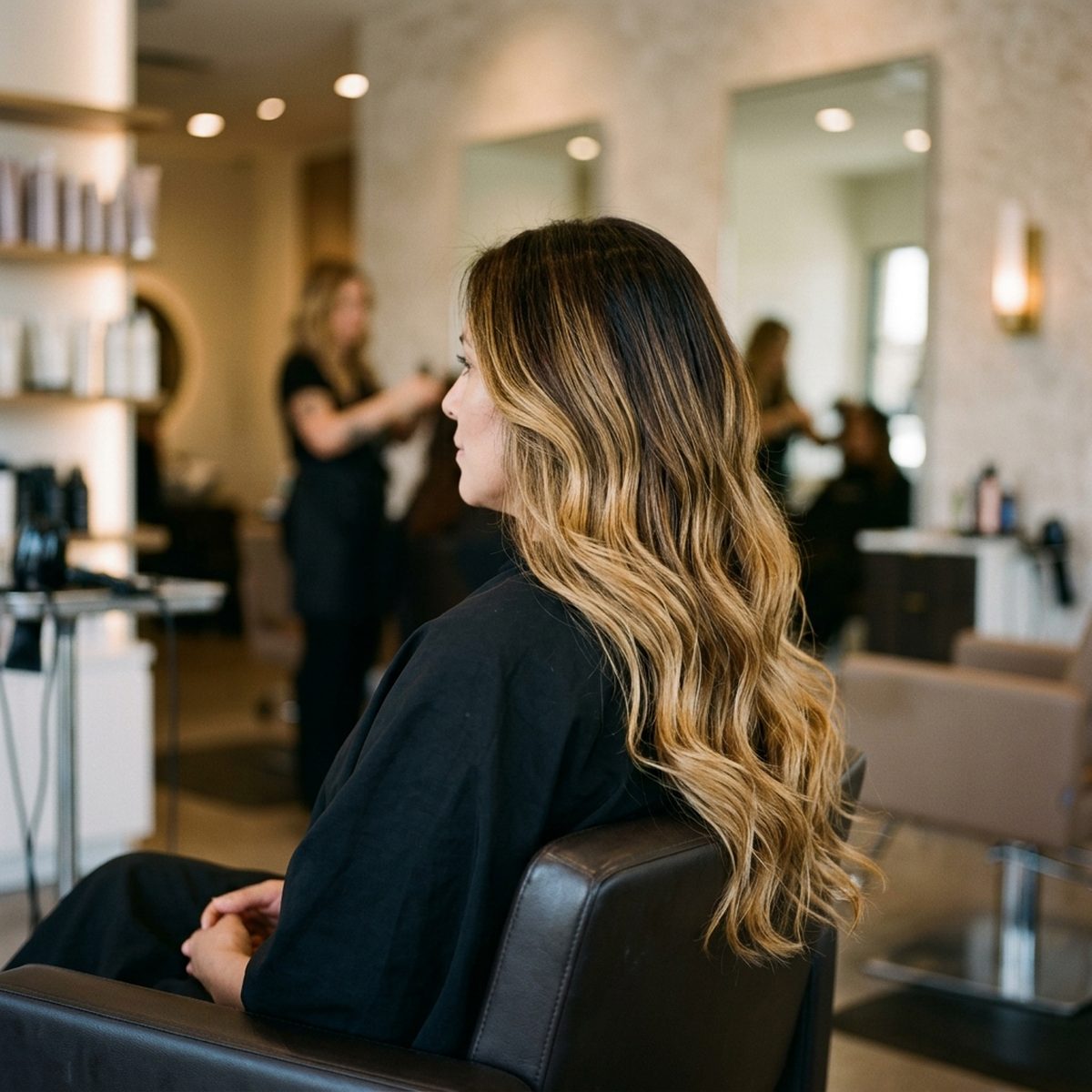
You've been scrolling through photos of soft, sun-kissed blondes for months. Maybe it's a client on Instagram, maybe it's a friend who just got back from her colorist, maybe it's just a feeling that your dark hair doesn't match who you are right now. Whatever brought you here, you're asking the same question almost every brunette asks me before we start: how hard is this actually going to be?
I get it. A brunette to blonde transformation feels like a big leap, and the internet doesn't make it easier. Half the posts you see promise a one-visit miracle. The other half are horror stories about orange hair and burned ends. Neither one is the full picture, and neither one is what actually happens in my chair.
After 30 years behind the chair here in McKinney, I've taken hundreds of brunettes to blonde, from the woman who wanted a subtle lift to the one who wanted to walk out platinum. What I can tell you is this: it's absolutely possible to get there safely, but it takes an honest plan, not a rushed one. Let's talk about what that plan actually looks like.
Why This Transformation Takes Longer Than People Expect
Dark hair holds a lot of pigment, and pigment doesn't just disappear because you want it to. Getting from brunette to blonde means lifting that pigment out of the hair shaft in stages, and each stage has to be gentle enough that your hair is still healthy at the end of it.
If your colorist tries to rush that process into a single appointment, you're not getting a shortcut. You're getting hair that's been pushed past what it can handle in one sitting, and that shows up as breakage, dryness, and a texture that doesn't feel like your hair anymore. The honest version of this transformation respects the hair you're starting with, and that means it usually happens in more than one visit.
The Real Timeline: What "1 to 3 Sessions" Actually Means
When I tell a new client this could take one to three sessions, I'm not hedging. I'm telling her the truth up front so there are no surprises halfway through.
One session is realistic if you're starting from a medium brown, you're not going platinum, and your hair is in good condition with minimal previous color history. Think warm caramel or soft golden blonde rather than icy or bleach-blonde.
Two sessions is the most common path for brunettes going a true blonde. We lift as far as your hair safely allows in the first visit, let it rest and recover for several weeks, then finish the lift and refine the tone in the second visit.
Three or more sessions usually applies to deep, dark brunettes going all the way to a light or platinum blonde, or anyone with previous box color or damage we need to work around carefully. Spacing these sessions out isn't me being cautious for no reason. It's what keeps your hair intact instead of falling apart in your hands.
Each of these sessions builds on the last one. That's why a real consultation matters so much before we even start, because your starting point determines your whole timeline. This same "meet your hair where it is" approach is exactly what I use for color correction work, which is often part of this process if your hair has previous color layered underneath.
The Plan: How I Actually Get You There
Step 1: An Honest Starting Consultation
Before anything touches your hair, I need to see it in person. I'm looking at your natural level, whether you have previous color on your ends, how healthy your hair currently is, and how far you actually want to go. This is also where we talk about maintenance, because the blonde in the photo you saved might need more upkeep than you're expecting, and I'd rather tell you that now than after you've committed.
Step 2: Strategic Lightening, Not Maximum Lightening
During each session, my goal isn't to lift as much as physically possible. It's to lift as much as your hair can handle while staying strong. That might mean we don't get all the way to your target shade the first time, and that's by design. I'd rather give you healthy hair in three visits than damaged hair in one.
Throughout this process, I'm using bond-building treatments to protect the hair's internal structure while we lighten it. This is the difference between a transformation that leaves your hair resilient and one that leaves it fragile.
Step 3: Toning to Get the Exact Shade You Want
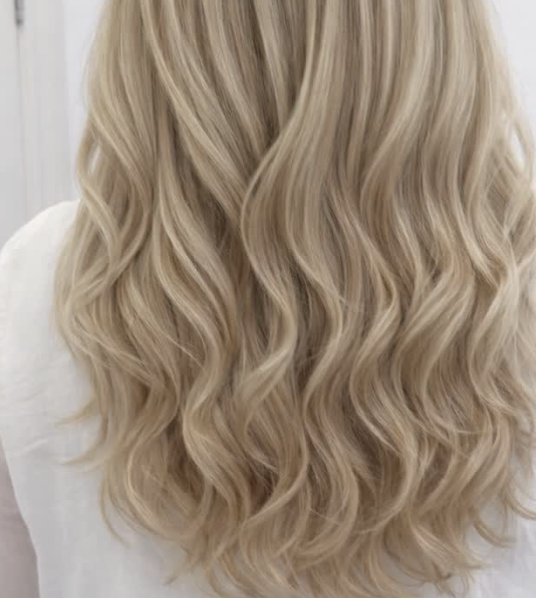
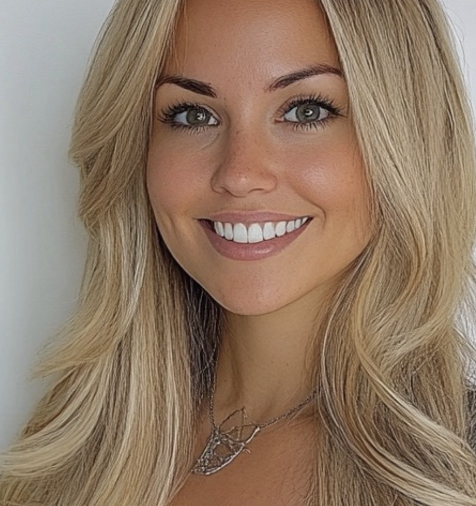
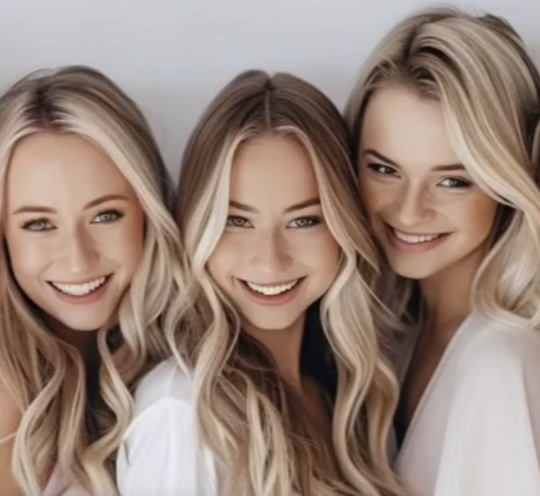
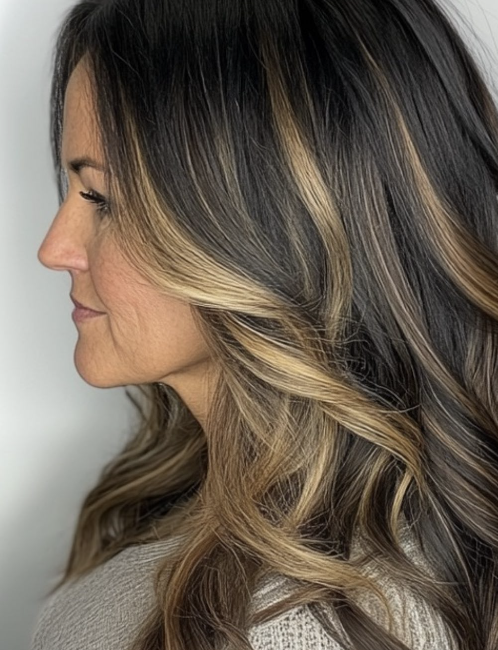
Lifted hair on its own often comes out looking brassy, yellow, or too warm, not the soft, cool blonde most women picture. Toner is what takes raw lightened hair and turns it into the finished color you actually wanted. This step is where a lot of the artistry lives, and it's often the difference between a blonde that looks like it came from a bottle and one that looks like it grew that way. If you're going for that natural, dimensional finish, balayage techniques woven into your lightening sessions can make the transition look intentional at every stage, not just at the end.
What This Means for Your Hair Health
I won't sugarcoat this part. Going from brunette to blonde is a chemical process, and it changes the internal structure of your hair whether we go slow or fast. The difference between a transformation that leaves your hair thriving and one that leaves it damaged almost entirely comes down to pacing and the products used along the way.
That's why I build bond-building treatments into every lightening session, and why I'll tell you honestly if your hair needs a rest between appointments rather than pushing forward just to hit a deadline. Your hair has to live with this decision long after you leave my chair, and I take that seriously.
What Success Actually Looks Like
The clients I love seeing most are the ones who come back six months after their transformation with hair that still feels strong, still has shine, and still looks like the blonde we designed together, not a faded, brassy version of it. That's the real measure of a good brunette to blonde transformation. It's not just the first photo out of the salon. It's how your hair holds up three months later, six months later, and beyond.
You don't have to choose between the color you want and the health of your hair. You just need a plan that respects both, and the patience to let it unfold the right way.
What Happens If You Rush It
I've had women come to me after a rushed, one-and-done bleaching session somewhere else, and it's rarely a good story. Overprocessed strands, breakage around the face where hair is most fragile, and a color that turned brassy within weeks because there wasn't a proper toning plan behind it. Fixing that situation almost always takes longer and costs more than doing it right would have from the start.
If that's where you're starting from right now, you're not out of options. That's exactly the kind of situation color correction is built to repair, and I've walked plenty of clients back from it to the blonde they actually wanted.
Ready to Talk Through Your Transformation?
Every brunette to blonde journey starts the same way in my chair: an honest look at your hair and a real conversation about what it will take to get you there safely. If you've been dreaming about going blonde and you're ready to find out what that actually looks like for your hair, book a consultation at Moxi Hair Studio in McKinney. We'll build the plan together, one session at a time.
If you're curious what ongoing blonde maintenance looks like once you get there, my post on what a blonde specialist actually does walks through the upkeep side of this transformation too.
Follow: @moxihairstudiodfw